Mold Abatement in Essex County, NJ
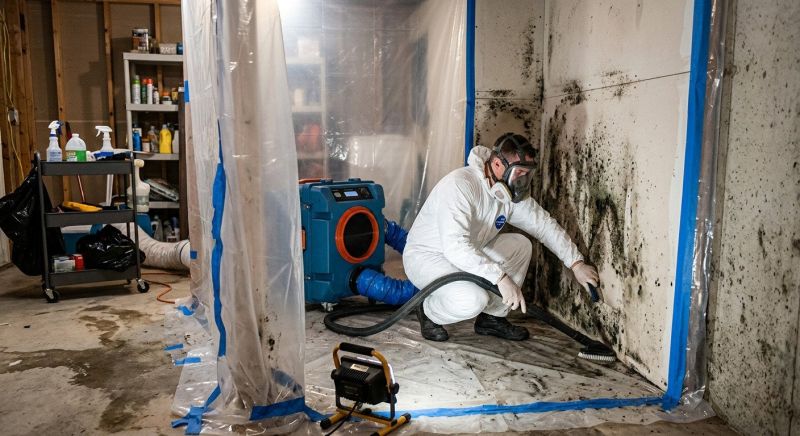
Mold abatement services involve the removal and cleanup of mold growth from indoor spaces, helping to improve air quality and prevent potential health issues. These services typically cover projects such as mold removal from walls, ceilings, basements, attics, and HVAC systems, especially after water damage, leaks, or high humidity conditions. Property owners usually want to understand the scope of the work, including whether visible mold will be fully eliminated, and the steps taken to prevent future growth. It’s also common to inquire about the safety measures used during the process and any necessary repairs or remediation to address underlying moisture problems.
Before requesting mold abatement, homeowners often seek clarity on the extent of mold contamination, whether professional removal is recommended, and the potential impact on property value. Understanding the importance of addressing moisture sources and the need for thorough cleaning can help in planning the project effectively. Property owners should also consider any health concerns, especially if mold has been present for an extended period or in sensitive areas like bedrooms or kitchens. Having clear information about the process and what to expect can assist in making informed decisions about mold remediation efforts.
Many property owners in Essex County, NJ look into Mold Abatement for repairs, replacements, upgrades, and appearance-related improvements.
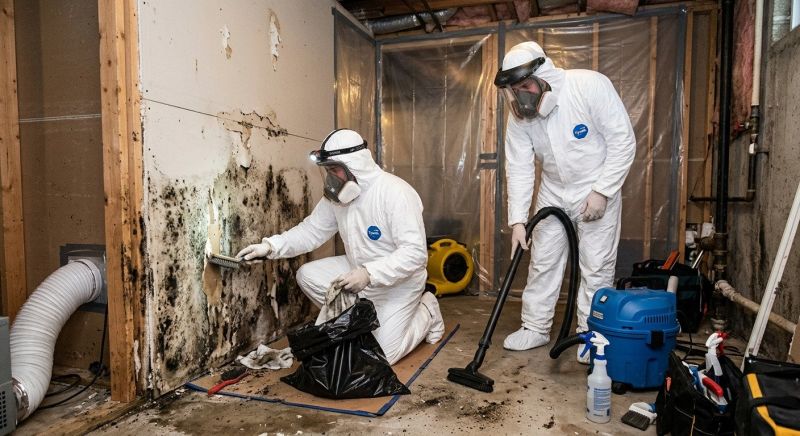
Mold Source Removal
Identifying and eliminating mold growth in residential and commercial spaces to improve indoor air quality.
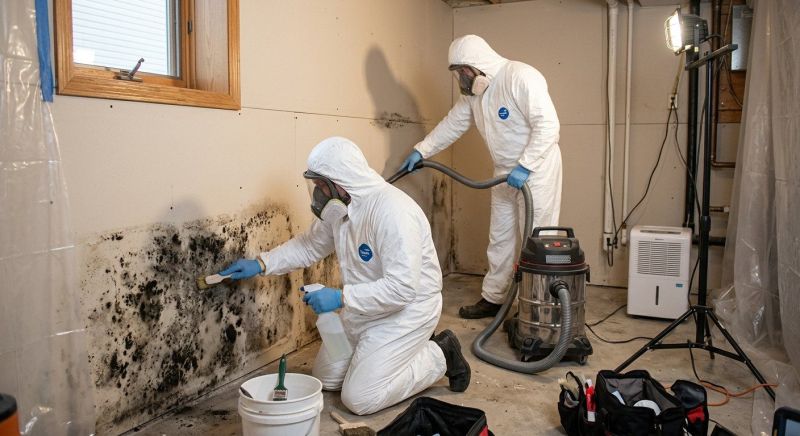
Containment And Cleanup
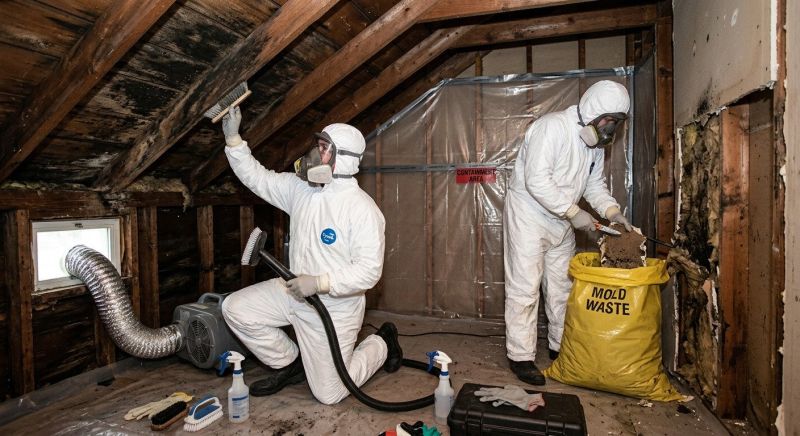
Setting up barriers and thorough cleaning to prevent mold spores from spreading to unaffected areas.
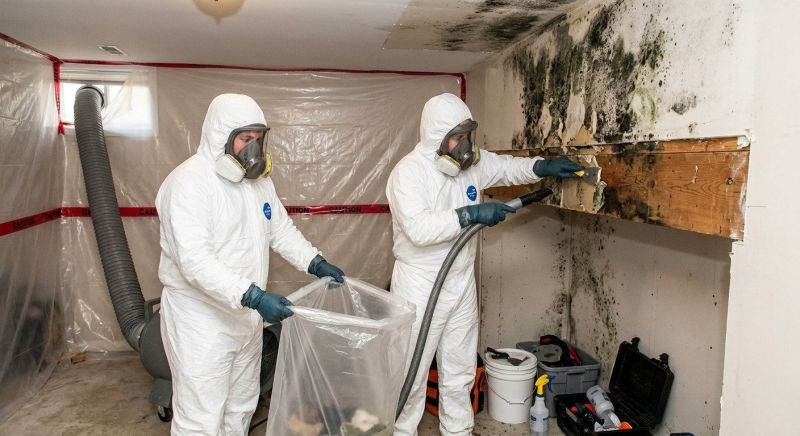
Post-Abatement Restoration
Restoring affected areas with proper cleaning and repairs to ensure a safe and healthy environment in essex county homes and businesses.
Mold Abatement in Essex County, NJ
Mold abatement services involve the removal and cleanup of mold growth from indoor spaces, helping to improve air quality and prevent potential health issues. These services typically cover projects such as mold removal from walls, ceilings, basements, attics, and HVAC systems, especially after water damage, leaks, or high humidity conditions. Property owners usually want to understand the scope of the work, including whether visible mold will be fully eliminated, and the steps taken to prevent future growth. It’s also common to inquire about the safety measures used during the process and any necessary repairs or remediation to address underlying moisture problems.
Before requesting mold abatement, homeowners often seek clarity on the extent of mold contamination, whether professional removal is recommended, and the potential impact on property value. Understanding the importance of addressing moisture sources and the need for thorough cleaning can help in planning the project effectively. Property owners should also consider any health concerns, especially if mold has been present for an extended period or in sensitive areas like bedrooms or kitchens. Having clear information about the process and what to expect can assist in making informed decisions about mold remediation efforts.
Many property owners in Essex County, NJ look into Mold Abatement for repairs, replacements, upgrades, and appearance-related improvements.
Common Mold Abatement Jobs
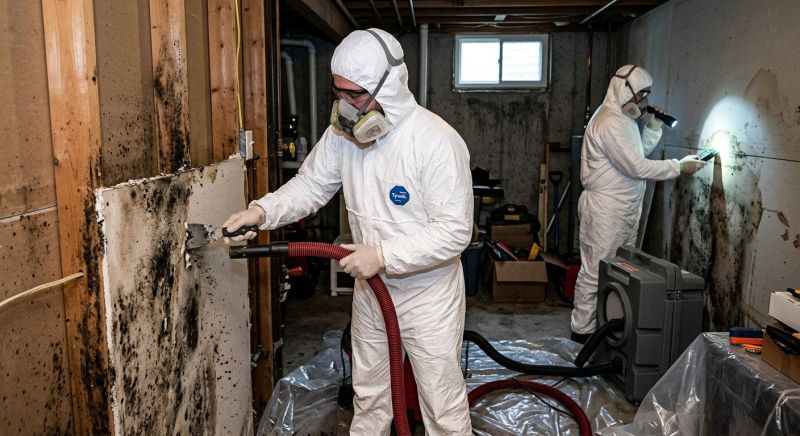
Mold removal - involves eliminating mold growth from affected areas to improve indoor air quality.
Mold remediation - focuses on safely cleaning and restoring spaces contaminated by mold.
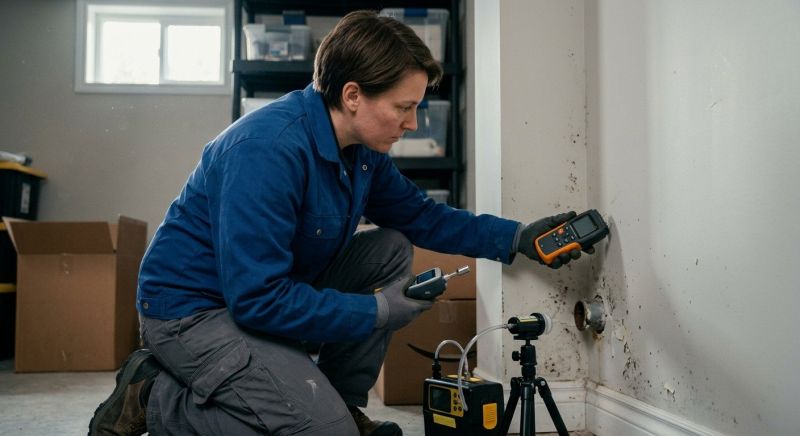
Hidden mold detection - identifies mold lurking behind walls, under floors, or in hidden spaces.
Moisture control - addresses leaks and excess humidity that contribute to mold development.
Surface cleaning - removes mold from walls, ceilings, and other surfaces to prevent spread.
Post-removal testing - ensures mold has been effectively eliminated and the environment is safe.
Mold Abatement Questions
What is mold abatement? Mold abatement involves removing mold growth from indoor spaces and preventing its return to improve indoor air quality and protect property health.
When should mold abatement be considered? Mold abatement is recommended when visible mold or mold odors are detected, especially after water damage or leaks in the property.
What types of projects typically require mold abatement? Projects include cleaning mold from walls, ceilings, HVAC systems, and other areas affected by moisture or water intrusion.
What should property owners know about mold abatement? Proper mold abatement involves thorough removal and addressing moisture sources to prevent future growth, ensuring a healthier indoor environment.
Request Mold Abatement in Essex County, NJ
Use the quote form on this page to share the basics of your project and request more information for the type of work you need.